Editorial Photography: Lifestyle vs. Documentary Approaches for Client Stories
The brief arrives with the usual adjectives: authentic, warm, real people, not too corporate. Everyone in the room agrees on the feeling. Nobody has decided how to get there.
In editorial photography there are two dependable roads to that feeling. Lifestyle work arranges a moment until it matches the way the client imagines their brand. Documentary work follows a moment as it unfolds and trusts the frame to hold what is actually there. Both can be honest, both can be flat, and the choice shapes how the shoot day runs, how the edit comes together, and whether the pictures still work a year from now.
What lifestyle photography does well
Lifestyle is directed. That word makes some clients nervous, as if direction equals falseness, but a portrait is directed too and nobody calls it dishonest. The craft lies in what you direct. You arrange the room, the light, the timing and the props, then you leave the person's expression mostly alone.
A bakery client wants to show the morning ritual. Lifestyle gets you the baker at the bench with the window behind her, flour on the board, a tray entering frame, three variations of the same gesture so the designer has options. Light is controlled, the palette matches the brand, and there is clean space for a headline. The same approach travels well across a campaign: six locations, one look, a coherent set a client can roll out over months.
The risk is generic. Lifestyle without specifics drifts toward stock. Guard against it by insisting on details only this client could supply: the chipped enamel jug they have used since opening, the ledger with handwritten orders, the dog asleep by the oven.
Where documentary earns its keep
Documentary asks something different of everyone. You keep a small footprint, use available light where it works, and follow the work rather than the shot list. Two hours in a workshop will give you the rhythm of the place: the apprentice fetching tools, the pause before a cut, the mess that accumulates and gets cleared.
This is the approach for stories that need credibility rather than polish. Annual reports, process-led features, founder profiles in a trade magazine, a nonprofit showing how a service actually runs. The pictures carry sequence and evidence. A reader believes them in a way they do not quite believe a staged frame.
The trade-off is real. Light will not always be flattering. Some frames will be unusable and you will only know in the edit. The client gets fewer hero images and less control, and you need their trust before you arrive, not after. Most importantly, the subject has to be willing to be half-ignored for a few hours. Some people relax into that. Others perform harder every time the camera lifts.
The questions that settle it
Before you promise a style, put these to the client. The answers usually make the decision for you.
- What do the images have to do? Sell a feeling, or explain a process? Selling leans lifestyle, explaining leans documentary.
- How much time actually exists? A half-day across three departments is a lifestyle schedule. Documentary needs hours in one place.
- Where will the pictures live? A double-page ad with copy has different needs from a twelve-image web story. Ask to see the layout, not just the brief.
- How does the subject behave on camera? Some people are wonderful once given something to do; others freeze. A short test run, even on a phone, tells you a lot.
- What happens if the day goes sideways? Documentary is more forgiving of a late start and less forgiving of a rushed one.
- What is the client really worried about? Usually looking foolish, or looking like everyone else. Name it, then choose the approach that answers it.
Mixing the two without muddying the story
Mixing is often the right answer, and it is where most editorial shoots go wrong. A common failure: the photographer delivers a beautiful jumble of documentary and directed frames, the client picks a hero image from the wrong set, and the campaign ends up with a tonal mismatch nobody can name.
Separate the day, not just the folder
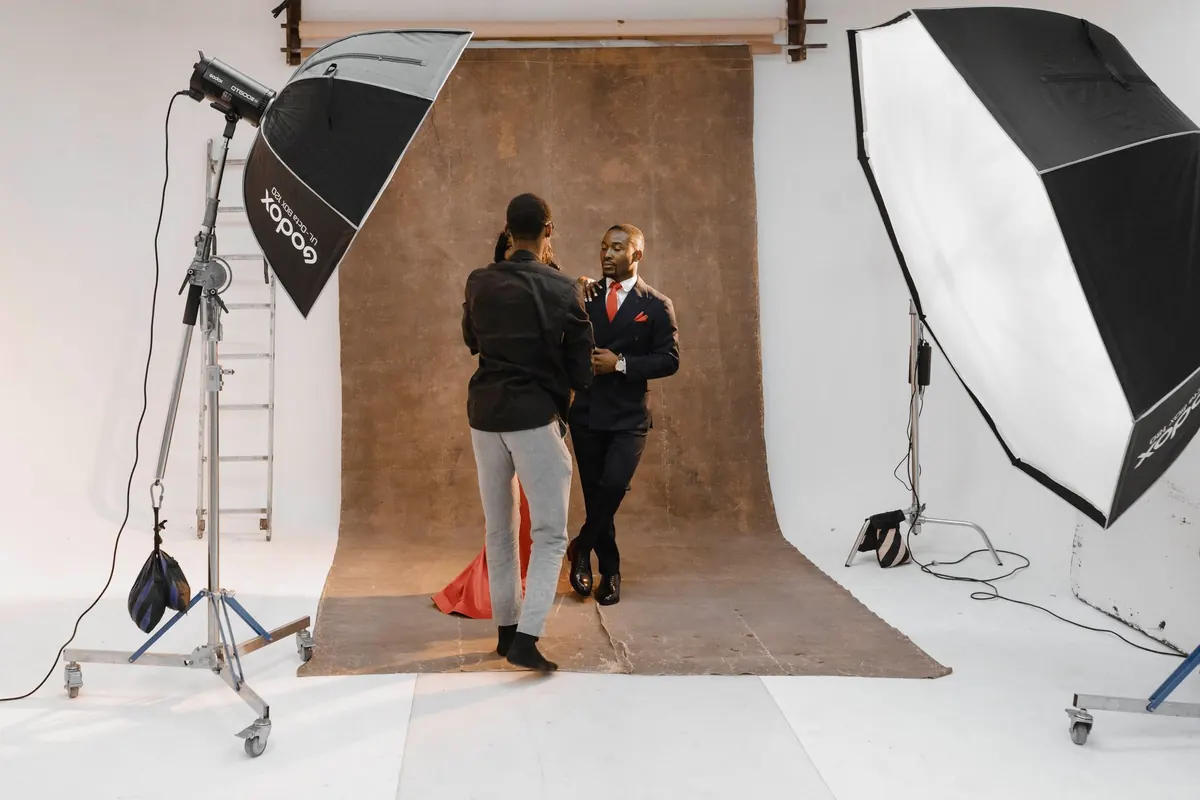
Shoot documentary first, while the place is still fresh and people have not started posing for you. Then move into a directed block with a clear, short list. Once a room has seen lighting equipment, it is hard to get the room back.
Label everything in the edit
Deliver documentary selects and lifestyle selects as separate sets, with a line on what each is for. Say plainly which frames can carry a headline and which need to sit in a sequence.
Be honest when the schedule cannot support documentary
If the client has booked ninety minutes across three sites, do lifestyle and explain why. A rushed documentary shoot gives you the worst of both: the mess of reality without the time to find the picture inside it.
On set: direction, patience, and stopping early
Direction in lifestyle is mostly about the scene, not the face. Instead of telling someone to smile, give them a task: fold the cloth, hand over the tray, walk through the door again. Busy hands produce natural expressions. Say what you are doing and why, keep instructions small, and let people hear the shutter until it stops being strange. Avoid "just act natural"; it is the least useful sentence in photography.
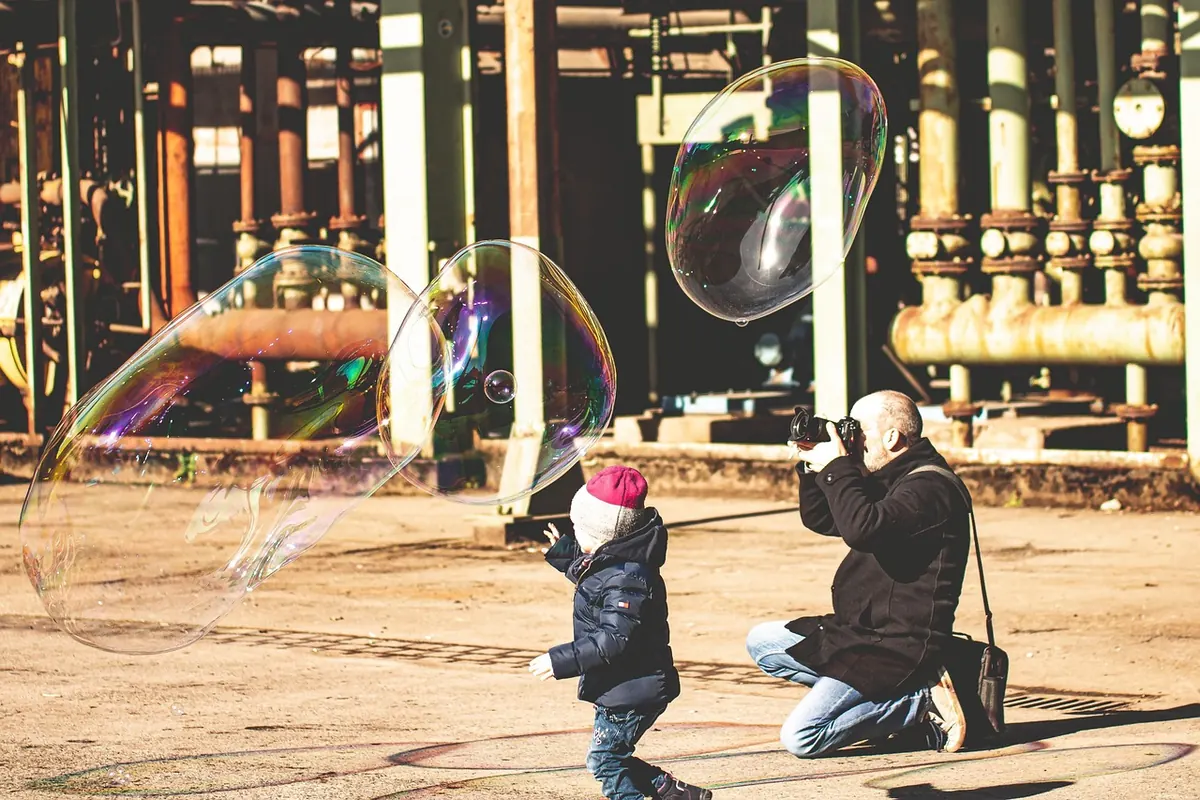
Documentary runs on a different discipline. Ask permission properly at the start, explain that you will be quiet and that they should carry on, then become furniture. Resist the urge to direct a moment just because you can see how to improve it. Watch for the third repetition of a gesture, which is usually when people stop performing for the camera and start doing the work. And know when to leave. Forty good minutes often beats three tired hours, for you and for them.
A short routine before you commit
- Write the client's story in one sentence. If it needs the word "and", you probably have two stories and need two approaches.
- Choose a primary approach and be able to defend it in a single line.
- List the five images that must exist whatever happens. That list is your safety net, and it usually needs direction.
- Mark which images need control and which need patience. They are different shooting modes and belong in different parts of the day.
- Quote time honestly. Documentary takes roughly twice the hours and half the shot list; lifestyle needs a recce and a tidy room.
- Agree the shape of the edit beforehand: how many frames, which crops, what the client will do with them.
- Tell the client what could go wrong and what you will do about it. Trust is the real prerequisite for either style.
Then go and stand in the space before you decide anything final. Ten minutes in a workshop or a hotel lobby will tell you more about which approach will work than an hour of email. The best editorial pictures tend to come from a photographer who chose the method on purpose, and can explain that choice to the person paying for it.
Photo: Alfredo Dacosta / Pexels